Ayurvedic Paralysis
Rehabilitation in Kerala
Regain Mobility, Strength, and IndependenceThrough Time-Tested Clinical Protocols
Understanding Neurological Disorders Through Ayurveda
In classical Ayurvedic medicine, the nervous system and motor functions are governed by Vata Dosha. When Vata becomes severely imbalanced due to trauma, blockages, or degenerative factors, it manifests as neurological disorders or Pasha (paralysis).
While conventional treatments often focus solely on managing symptoms, our approach to Ayurvedic paralysis rehabilitation in Kerala focuses on the root cause. We aim to:
- Clear cellular blockages (Avarana) in the neural pathways.
- Nourish depleted muscle tissues (Dhatu Kshaya) caused by inactivity.
- Pacify the aggravated Vata dosha to restore smooth signal transmission between the brain and the body.
Understanding Paralysis and Its Causes
Paralysis, referred to as Pakshaghata in classical Ayurvedic texts, is the partial or complete loss of muscle function in one or more parts of the body. It occurs when the communication pathway between the brain and the muscles is disrupted, whether at the point of origin in the brain, along the spinal cord, or at the peripheral nerves themselves.
Common causes we see at our clinic include:
- Stroke — the most frequent cause, resulting from a blockage (ischemic) or rupture (hemorrhagic) of blood vessels supplying the brain
- Spinal cord injury — from trauma, falls, or accidents
- Nerve compression or peripheral neuropathy — often linked to prolonged pressure, diabetes, or degenerative conditions
- Bell’s Palsy and facial nerve disorders — sudden onset facial nerve inflammation
- Degenerative neurological conditions — including age-related and progressive disorders
The extent of recovery possible depends heavily on the location and severity of the underlying nerve or brain damage, and on how early a structured rehabilitation program begins.
Common Symptoms We Treat
Symptoms vary by the area and extent of nerve involvement. Patients typically arrive with one or more of the following:
- Weakness or complete loss of movement in a limb, one side of the body, or the face
- Muscle stiffness, spasticity, or wasting (Dhatu Kshaya) from prolonged inactivity
- Loss of sensation or abnormal sensations (tingling, numbness) in the affected area
- Difficulty with speech, swallowing, or facial expression
- Impaired balance, coordination, or gait
- Reduced fine motor control in the hands
Early intervention — ideally within the first year following a stroke or nerve injury — gives the best functional outcomes, though our clinic has also achieved meaningful improvement in long-standing, chronic cases.
Specialized Care for Neurological & Paralytic Conditions
We provide dedicated residential care and customized treatment pathways for a wide spectrum of neurological concerns. If you or a loved one are seeking authentic Ayurvedic treatment for neurological disorders in Kovalam, Kerala, our clinic offers specialized protocols for:
Hemiplegia & Paraplegia
Post-stroke rehabilitation aimed at recovering motor skills, facial alignment, and speech.
Facial Paralysis (Bell’s Palsy)
Targeted therapies to restore facial muscle tone and nerve function.
Degenerative Neurological Conditions
Supportive therapies to manage progression and enhance daily function.
Nerve Compression & Peripheral Neuropathy
Relieving numbness, tingling, and localized weakness.
Our Clinical Rehabilitation Protocols
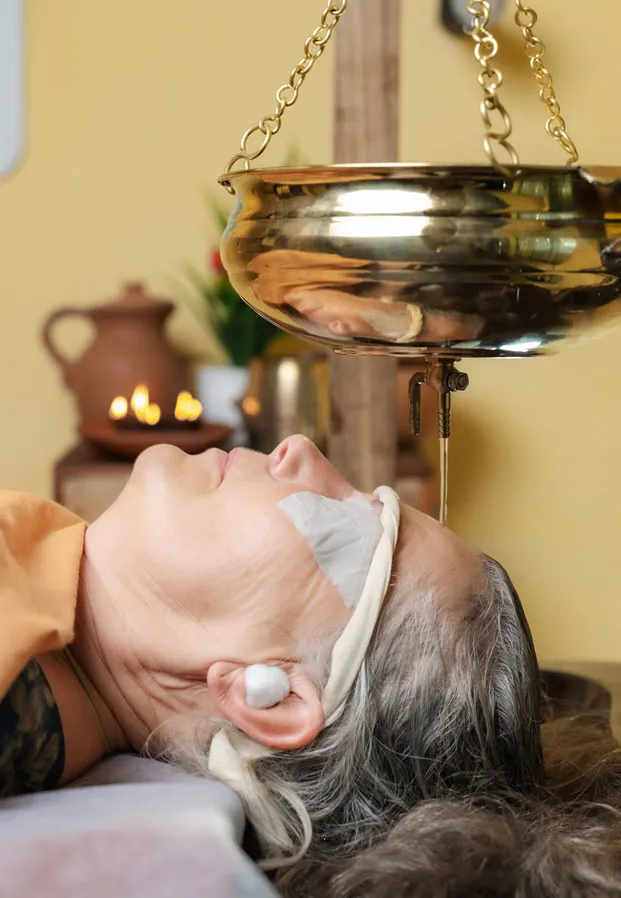
Pizhichil Treatment for the Nervous System
Njavara Kizhi
(Nourishing Rice Bolus Massage)
Authentic Panchakarma &
Sneha Basti
Ayurveda’s Approach to Stroke Recovery
Stroke-induced paralysis, known as Pakshaghata or Ekanga Vata depending on presentation, is one of the most common conditions we treat. In the acute and sub-acute phases, our focus is on stabilizing the aggravated Vata dosha, restoring circulation to affected neural pathways, and preventing the secondary muscle wasting that often follows prolonged immobility.
Our stroke recovery protocol typically integrates:
- Internal Ayurvedic medicines to support vascular health and nerve tissue repair, including formulations built around classical Rasayana herbs
- External therapies — Pizhichil, Njavara Kizhi, and Shiro Vasti — to stimulate circulation and reduce spasticity
- Sneha Basti to pacify Vata at its root seat and support the central nervous system
- Structured physical rehabilitation to complement the Ayurvedic protocols and rebuild functional movement patterns
While Ayurveda does not claim to reverse the underlying brain injury from a stroke, our patients consistently report improved muscle tone, reduced spasticity, and meaningful gains in independence when treatment begins early and is followed consistently over a residential stay of 14–28 days.
A Safe, Supportive Environment for Global Patients
Patients routinely travel to our clinic in Kerala after exhausting conventional options. We provide specialized, non-surgical intervention plans for:
Complete Accessibility
Our clinic is fully equipped to assist patients with limited mobility, providing attentive care from arrival to departure.
Proximity to Transport
Located in the peaceful coastal region of Kovalam, we are just a short drive (approx. 15 km) from Trivandrum International Airport, making travel easy for international arrivals.
Comprehensive Care
From custom dietary planning matching your treatment protocol to assistance with local logistics, we ensure European and global patients feel safe and comfortable.
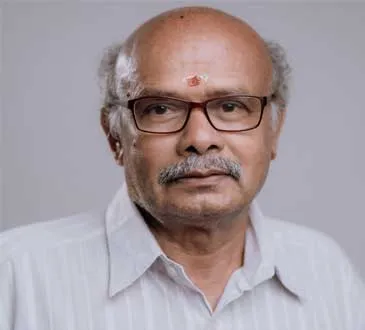
Dr. M.S. Panicker RIMP
Siddha, Marma and Ayurveda practitioner
Chief Physician, bringing over 40 years of expertise to traditional Ayurvedic spine care.
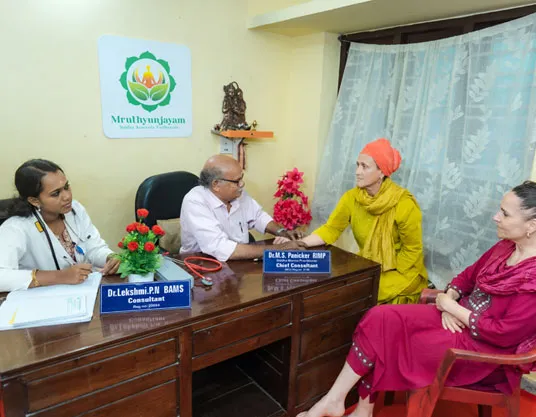
Dr. M. S. Panicker is a well-known Siddha, Marma and Ayurveda practitioner with a clinical experience of more than four decades. Armed with deep knowledge in Siddha and with a mind to serve people, he renders effective treatment to people approaching him with various ailments.
The offerings also include rejuvenation therapy that often forms part of medical tourism in Kerala.
Dr. Panicker secured his RIMP certification from Pondichery Sidha Medical College. Later he completed a course in Kayakalpa Yoga and Kundalini Meditation from Sri Vedathri Maharshi’s World Community Service Centre (WCSC).
“Our goal is not just temporary pain relief, but deep tissue rejuvenation that restores natural spinal alignment and mobility.” — Dr. M.S. Panicker
Frequently Asked Questions
1. How long does an Ayurvedic paralysis rehabilitation program take?
2. Is Ayurveda effective for chronic, long-standing paralysis?
3. Can I continue my Western lifestyle medications during the treatment?
4. What causes paralysis, and can Ayurveda help regardless of the cause?
Paralysis can result from stroke, spinal cord injury, nerve compression, infections, or degenerative neurological conditions. While the underlying cause varies, Ayurveda’s approach — pacifying aggravated Vata, clearing cellular blockages, and nourishing depleted tissue — applies across most presentations. During your initial consultation, Dr. Panicker evaluates the specific cause and designs a protocol suited to your condition, rather than a one-size-fits-all program.
5. Is Ayurvedic treatment effective for facial paralysis (Bell's Palsy)?
6. What results can I realistically expect from a residential program?
Begin Your Recovery Journey Today
Every neurological case is unique. Speak directly with our clinical team to understand how our targeted therapies can assist in your recovery.